
Understanding Impoundment, Immobilisation, and Forfeiture of Motor Vehicles in Victoria
- Over 30 years experience in the criminal justice system
- Track record of success
- Nationally acclaimed expertise
Free Legal Advice 24/7
Introduction to Anti-Hoon Laws:
In 2006, anti-hoon laws were introduced to tackle dangerous and reckless driving on Victorian roads.
These laws empowered the police to impound, immobilise, or forfeit vehicles driven in ways that put public safety at risk.
While initially used sparingly, these powers became more stringent with the introduction of the Road Safety Amendment (Hoon Driving) Act 2010.
As of July 1, 2011, the legislation became more rigid, with the Victorian Police establishing a dedicated impoundment division to enforce these laws more effectively.
When Can Police Impound or Immobilise Your Vehicle?
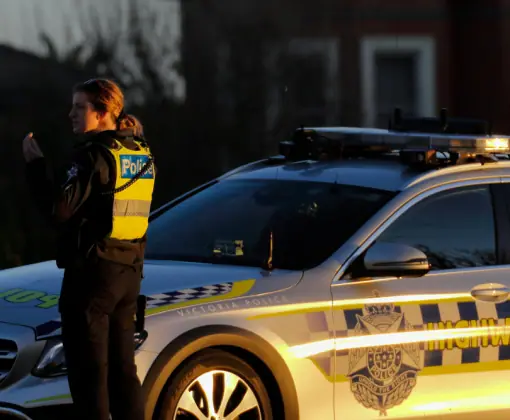
Under section 84F(1) of the Road Safety Act 1986, police can impound or immobilise your vehicle if they have a reasonable belief that you have committed a “relevant offence” (also referred to as a ‘hoon offence’).
The duration of impoundment is up to 30 days, a significant increase from the previous 48-hour period. Importantly, the ownership of the vehicle does not matter; even if you are not the driver, your vehicle may still be seized.
What Happens When Police Impound or Immobilise Your Vehicle?
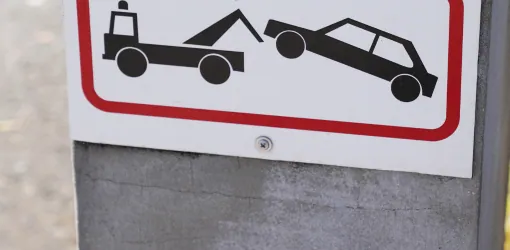
Once seized, your vehicle may be moved to a holding yard and either impounded or immobilised. Immobilisation could involve measures like wheel clamps or steering wheel locks.
These actions are executed in accordance with sections 84G and 84H of the Road Safety Act.
Can I Appeal an Initial Impoundment Order?
Yes, you can appeal the decision to impound or immobilise your vehicle. Under section 84O, if you can show that impoundment causes exceptional hardship, a magistrate may allow the release of your vehicle before the designated period ends.
However, the appeal process requires specific steps, including providing 7 days’ notice to the Chief Commissioner of Police and proving that your hardship is substantial.
What Is Hoon Driving?
“Hoon driving” refers to dangerous driving and reckless driving, often endangering the public. Section 84F of the Road Safety Act gives police the authority to seize vehicles involved in such activities, based on their reasonable belief.
What Are ‘Relevant Offences’ Under the Road Safety Act?
A variety of offences can lead to a vehicle being impounded or immobilised.
These include:
- Drink driving (BAC 0.10 or higher)
- Careless driving
- Engaging in street racing
- Driving above 45km/h over the speed limit
- Failing to stop when directed by police
These offences can lead to immediate impoundment or even vehicle forfeiture in extreme cases.
For more information about these offences please see our other website publications on these specific offences.
What Happens if I’m Found Guilty of a Hoon Offence?
If you plead guilty to a hoon offence, the prosecution may apply for further impoundment, immobilisation, or forfeiture of the vehicle. If you have prior hoon offences, this could result in your vehicle being seized for up to 3 months.
Can I Appeal a Vehicle Forfeiture Application?
In certain circumstances, it is possible to resist a vehicle forfeiture application, even if the police have the right to request it. For instance, if your vehicle was stolen or if the exceptional hardship provision applies, you may have grounds to contest the application.
However, the legislation around vehicle forfeiture is complex, particularly when a driver has been disqualified or suspended from driving. Consulting an experienced traffic lawyer is crucial to understanding your options.
What to Do if Your Vehicle Has Been Impounded or Is Facing Forfeiture?
If your vehicle has been impounded or is at risk of forfeiture, seeking legal advice is essential. A lawyer can assess your situation, assist with the appeal process, and help you navigate the complex legislation involved.
Contact MK Law for more information on navigating this situation.
Common questions about vehicle impoundment
Yes. Under section 84F of the Road Safety Act 1986, police can seize a car used in a hoon offence no matter who owns it, so a car you lent out can be held for 30 days. Stolen and hired cars must be released. If the driver is a repeat offender and police later seek a court order, it cannot be made against your car if you prove, as the person the car is registered to, that the offence happened without your knowledge or consent.
Any offence listed in section 84C of the Road Safety Act 1986. People call these hoon offences, but some of them involve no dangerous driving at all. The main ones each count even as a first offence:
- drink driving at 0.10 or more
- unlicensed driving, except in the two cases with a 20 penalty unit maximum
- learner driving without a supervisor
- driving while disqualified or suspended, unless the suspension was for unpaid fines
- interlock offences
- failing to stop when directed to by police
- speeding 45 km/h or more over the limit, or 145 km/h or more in a 110 km/h zone
- burnouts and other deliberate loss of traction
- racing
- carrying more passengers than seats
- riding a mini-bike on a road
- entering a level crossing deliberately or recklessly when a train or tram is approaching
- police pursuit and emergency worker driving offences under the Crimes Act 1958
Drink driving under 0.10, any alcohol in a driver who must have a zero reading, and some drug driving offences count only if the driver committed another listed offence in the 6 years before.
Police tow the car to a holding yard or clamp it where it is. Under section 84C of the Road Safety Act 1986 they keep it for 30 days, or a little longer if the 30 days end outside business hours. The driver and the person the car is registered to get written notice of the release date and the costs. Within 48 hours, the officer who impounded it must give a senior officer the grounds, and the senior officer must have the car returned if those grounds were not reasonable.
Yes, even for a first offence. A reading of 0.10 or more is on the list of impoundable offences in section 84C of the Road Safety Act 1986, and police can hold the car for 30 days. Under 0.10, they can impound it only if the driver committed another listed offence in the 6 years before.
After the 30 days, section 84Q of the Road Safety Act 1986 lets the person the car is registered to collect it by proving who they are and their right to it, and paying the towing, storage, release and administration costs. At Melbourne yards, Victoria Police adds $13.50 a day after the release date. The costs are refunded or waived if the driver is found not guilty of the offence the car was taken for and is not found guilty of any other hoon offence from the same drive, or if no charge is filed or pursued within 12 months.
Yes, in two ways. A senior police officer can release it early where that is reasonable or necessary, and can waive the costs. Otherwise, under section 84O of the Road Safety Act 1986, anyone whose interests are substantially affected can apply to the Magistrates’ Court on the ground of exceptional hardship, after giving the Chief Commissioner of Police 7 days’ written notice of the grounds. Hardship to the driver does not count if their licence is suspended or disqualified for longer than the impoundment.
Part 6A of the Road Safety Act 1986, headed “Impoundment, immobilisation and forfeiture of motor vehicles”. Most people know it as the hoon laws. It lets police impound or immobilise a car for 30 days when they believe on reasonable grounds it was used in a listed offence, and lets a court order a longer impoundment, or forfeiture, when the driver has earlier offences on the list.
Yes, but only after repeat offending. If the driver is found guilty of a hoon offence and committed 2 or more others in the 6 years before, the court can order the car forfeited to the Crown under the Road Safety Act 1986 when police apply. Forfeited cars can be sold or crushed. The court can refuse forfeiture for exceptional hardship, but hardship to a driver who is suspended or disqualified does not count. With only one earlier offence, the court can order a longer impoundment but not forfeiture.
Testimonials
What people Say
- I can’t thank Marcus and Daniel and the team at Mk Law St kilda enough they are very professional great communication you feel like and are a prio...I can’t thank Marcus and Daniel and the team at Mk Law St kilda enough they are very professional great communication you feel like and are a priority. Very Fair on price, they will be my first point of call if I ever need Lawyer help or Advice. So thank you Mk Law. Kind regards. G
 G Ambrose
 - Excellent service and professional support. My case was handled efficiently by Daniel Moon, and I was kept informed throughout. Truly appreciate the care and effort.
 Shehroz Obaid
 - I’ve had a great experience with Daniel from MK Law. I highly recommend him for any matters. He was very professional, respectful, understanding a...I’ve had a great experience with Daniel from MK Law. I highly recommend him for any matters. He was very professional, respectful, understanding and educated when dealing with the matter, while also keeping me informed in any steps.
 Gabby Poposki
 - I had an excellent experience working with Daniel Moon from MK Law. From the very beginning he was clear, knowledgeable and reassuring during what...I had an excellent experience working with Daniel Moon from MK Law. From the very beginning he was clear, knowledgeable and reassuring during what was a stressful situation for me. He took his time to explain the court system and process as it was my first time. He displayed a strong attention to detail, understanding and handled my case with professionalism. I am very satisfied with the results. I highly recommend his service to anyone needing legal assistance.
 isteevan Younus
- Careless Driving
- Dangerous Driving
- Driver Duty Failures at Accidents
- Driving whilst Disqualified
- Driving whilst Suspended
- Unlicenced Driving
- Improper Use of Motor Vehicles
- Failing to Nominate Driver of Vehicle
- Appeals of Immediate Licence Suspensions
- Exceeding Speed Limits in School Zones
- Reckless Conduct Endangering Life Or Serious Injury
- Culpable Driving Causing Death
- Dangerous Driving Causing Death or Serious Injury
- Dangerous or Negligent Driving Whilst Being Pursued by Police
- Infringement Warrants and Unpaid Fines
What happens next?
Navigating the anti-hoon laws can be challenging, and the consequences of having your vehicle impounded or forfeited can significantly impact your life. If you’ve had your vehicle seized or are facing an impoundment or forfeiture application, it’s vital to understand your rights and seek professional legal guidance.
At MK Law, we specialise in representing clients impacted by these laws.
Contact us today on 1800 130 120 to discuss how we can assist with your case and help you secure the best possible outcome.
Free Legal Advice 24/7
Contact Us
Call Anytime For Free Legal Advice 24/7
Top 5 firms by reputation dealing with traffic and criminal law matters.
- 2/212 Barkly Street, St Kilda Victoria, 3182 Australia
- 1800 130 120
- marcus@mklawfirm.com.au