
Have you been charged with driving over the Concentration of Drug and Alcohol limit?
- Over 30 years experience in the criminal justice system
- Track record of success
- Nationally acclaimed expertise
Free Legal Advice 24/7
Being charged with driving over the legal limit for drugs or alcohol is a serious offence, carrying significant penalties. These charges typically arise when a person is found to be operating or in control of a motor vehicle while under the influence of drugs or alcohol that exceed the legal limit, as defined by section 49(1)(bc) of the Road Safety Act 1986 (“RSA”).
What does it mean to drive while over the concentration of drug and alcohol limit?
Under Section 49(1)(bc) of the RSA, it is an offence to drive or be in control of a motor vehicle with both the prescribed concentration of alcohol and drugs in your breath, blood, or oral fluid. This combined offence is significant as it addresses situations where a driver is impaired by both alcohol and drugs.
Key Points of Section 49(1)(bc):
1.Combined Offence:
This offence combines elements from both driving with a prescribed concentration of alcohol (49(1)(b)) and drugs (49(1)(bb)). It targets cases of combined impairment.
2.Separate Charges:
It’s possible to face separate charges for alcohol and drugs. In such cases, you might have two separate offences.
Advantages of the Combined Offence:
The benefit of a combined offence is that disqualification periods can run concurrently, potentially reducing the time you’re unable to drive.
Disadvantages of Separate Charges:
If charged separately, you might have two distinct offences on your record, which could result in longer penalties and a more negative impact on any future offences.
What is the prescribed concentration of alcohol?
The “prescribed concentration of alcohol” is 0.05 grams per 100 millimetres of blood; or 0.05 grams per 210 litres of exhaled air in the breath (as defined in Section 3(1)). Under s3(1) of the RSA, Prescribed Concentration of a Drug/s refers to any amount of illicit drug found in the driver’s blood or oral fluid.
Mandatory licence disqualification periods increase if the blood alcohol concentration exceeds 0.10, and penalties become more severe for repeat offenders. The “prescribed concentration of drugs” includes any detectable number of illicit substances.
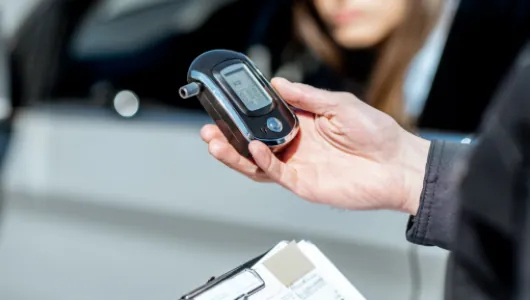
The charges are based on the following elements:
- You were either driving or in control of a motor vehicle.
- You had a blood/fluid or breath alcohol concentration that met or exceeded the prescribed limit.
- You also had a concentration of drugs in your blood or oral fluid that met or exceeded the prescribed limit.
Where will my case be heard?
Driving with the Prescribed Concentration of Drugs or alcohol cases will be heard in the Magistrates Court.
Penalties

If convicted of an offence related to driving with a prescribed concentration of drugs or alcohol, the penalties are as follows:
- First Offence: A fine of up to 30 penalty units.
- Second Offence:
- If the concentration is less than 0.15, a fine of up to 90 penalty units or imprisonment for up to 6 months.
- If the concentration is 0.15 or higher, a fine of up to 180 penalty units or imprisonment for up to 12 months.
- Third or Subsequent Offence:
- If the concentration is less than 0.15, a fine of up to 180 penalty units or imprisonment for up to 12 months.
- If the concentration is 0.15 or higher, a fine of up to 270 penalty units or imprisonment for up to 18 months.

Will I lose my driver’s licence?
Under s50(1AD) of the RSA, if found guilty of driving with a prescribed concentration of drugs or alcohol, the court is required to cancel your driver’s licence or learner’s permit and disqualify you from driving for a minimum period specified in Schedule 1AB of the RSA. The disqualification period depends on the level of alcohol concentration, measured in grams per 100 millilitres of blood or grams per 210 litres of breath.
- First Offence: Disqualification for 12 to 30 months, depending on BAC.
- Subsequent Offences: Disqualification for 24 to 60 months, depending on BAC.
Additionally, if you are found to be driving under the influence of alcohol or other drugs, you may be required to participate in a Behavioural Change Program, as determined by VicRoads.
Testimonials
What people Say
- I can’t thank Marcus and Daniel and the team at Mk Law St kilda enough they are very professional great communication you feel like and are a prio...I can’t thank Marcus and Daniel and the team at Mk Law St kilda enough they are very professional great communication you feel like and are a priority. Very Fair on price, they will be my first point of call if I ever need Lawyer help or Advice. So thank you Mk Law. Kind regards. G
 G Ambrose
 - Excellent service and professional support. My case was handled efficiently by Daniel Moon, and I was kept informed throughout. Truly appreciate the care and effort.
 Shehroz Obaid
 - I’ve had a great experience with Daniel from MK Law. I highly recommend him for any matters. He was very professional, respectful, understanding a...I’ve had a great experience with Daniel from MK Law. I highly recommend him for any matters. He was very professional, respectful, understanding and educated when dealing with the matter, while also keeping me informed in any steps.
 Gabby Poposki
 - I had an excellent experience working with Daniel Moon from MK Law. From the very beginning he was clear, knowledgeable and reassuring during what...I had an excellent experience working with Daniel Moon from MK Law. From the very beginning he was clear, knowledgeable and reassuring during what was a stressful situation for me. He took his time to explain the court system and process as it was my first time. He displayed a strong attention to detail, understanding and handled my case with professionalism. I am very satisfied with the results. I highly recommend his service to anyone needing legal assistance.
 isteevan Younus
- Driving While Impaired by a Drug
- Exceeding the Prescribed Concentration of Drugs Present in the Body
- Refusing to Undergo an Assessment for Drug Impairment
- Refusing to Comply With Directions to Provide Additional Samples for Analysis
- Refusing to Undergo an Oral Fluid Test
- Exceeding the Prescribed Concentration of an Illicit Drug (Blood Analysis) within 3 Hours of Driving or being in Charge of a Motor Vehicle
- Expca (Blood Analysis) of Alcohol and Drugs Within 3 Hours of Driving of Being in Charge of a Motor Vehicle
What to Do Next
If you are facing a charge under Section 49(1)(bc) or related provisions, it is crucial to seek legal advice as soon as possible. An experienced drug driving lawyer at MK Law can help you understand the implications of the charge, negotiate the best possible outcome, and represent you effectively in court.
Contact us today at 1800 130 120 for a consultation with our legal experts. We can guide you through the complexities of your case and work towards a favourable resolution.
Free Legal Advice 24/7
Contact Us
Call Anytime For Free Legal Advice 24/7
Top 5 firms by reputation dealing with traffic and criminal law matters.
- 2/212 Barkly Street, St Kilda Victoria, 3182 Australia
- 1800 130 120
- marcus@mklawfirm.com.au